In the intricate dance of global trade, the supply chain is the choreography. For decades, the steps were well-rehearsed, with disruptions being the exception rather than the rule. Today, that choreography is constantly being interrupted. Geopolitical shifts, climate events, and unforeseen demand surges have transformed the landscape, making volatility the new status quo. For supply chain managers and import/export businesses, this unpredictability manifests most acutely at a single, critical chokepoint: the customs border.
Customs clearance has long been a source of anxiety, delays, and cost overruns. It represents the formal handover between international transit and domestic logistics, a process governed by complex regulations, paperwork, and inspection protocols. A delay here doesn't just halt a single container; it creates a cascade of failures, from missed production schedules and empty retail shelves to strained partner relationships and significant financial penalties. The traditional, reactive approach to navigating this chokepoint is no longer sufficient. The strategic advantage now lies in foresight—the ability to anticipate and mitigate disruptions before they occur. This is the domain of AI-powered predictive analytics.
The Customs Conundrum: A Legacy of Reactive Measures
Historically, managing customs clearance has been an exercise in reaction. A shipment arrives at port, documents are submitted, and everyone waits. If an issue arises—a documentation error, a random inspection, a port-wide labor action—the response is a frantic scramble. Phone calls are made, emails are sent, and contingency plans are hastily drawn up. The primary tools have been experience and historical data, but often used in a simplistic way. A manager might know that a certain port is busy during a specific season, but they lack the tools to quantify the probability of a delay for their specific shipment on a given day.
This reactive posture is fraught with peril. The consequences are tangible and costly:
- Demurrage and Detention Fees: Charges for containers that are not moved from the port within a specified free period accumulate rapidly.
- Broken Timelines: Manufacturing lines can sit idle waiting for a single critical component held up in customs, leading to massive productivity losses.
- Reputational Damage: Consistently failing to meet delivery dates erodes customer trust and can lead to lost business.
- Inefficient Resource Allocation: Capital and inventory are tied up in transit, unable to be deployed or sold.
The fundamental problem is that legacy systems and manual processes cannot cope with the sheer volume, velocity, and variety of data influencing modern trade flows. They see the past, but they cannot effectively model the future. To build resilience, businesses need to shift from reacting to what just happened to acting on what is likely to happen next.
Core Applications of Predictive Analytics in Customs
Predictive analytics uses historical and real-time data, combined with machine learning (ML) algorithms, to identify patterns and forecast future outcomes. In the context of customs, this means transforming uncertainty into calculated probability. Instead of guessing, supply chain managers can make data-driven decisions to navigate around potential bottlenecks. This capability is not a single feature but a suite of applications that work together to create a more intelligent and responsive logistics network.
Forecasting Delays and Bottlenecks
This is perhaps the most powerful application. An ML model can be trained on an enormous array of data sources that influence port congestion and customs processing times.
- How it works: The model ingests data far beyond a simple shipping schedule. It analyzes satellite data on vessel queues, real-time port capacity levels, customs agency staffing schedules, local holiday calendars, and even weather forecasts that might impact port operations. Furthermore, it can correlate this with historical data for specific trade lanes and commodity types.
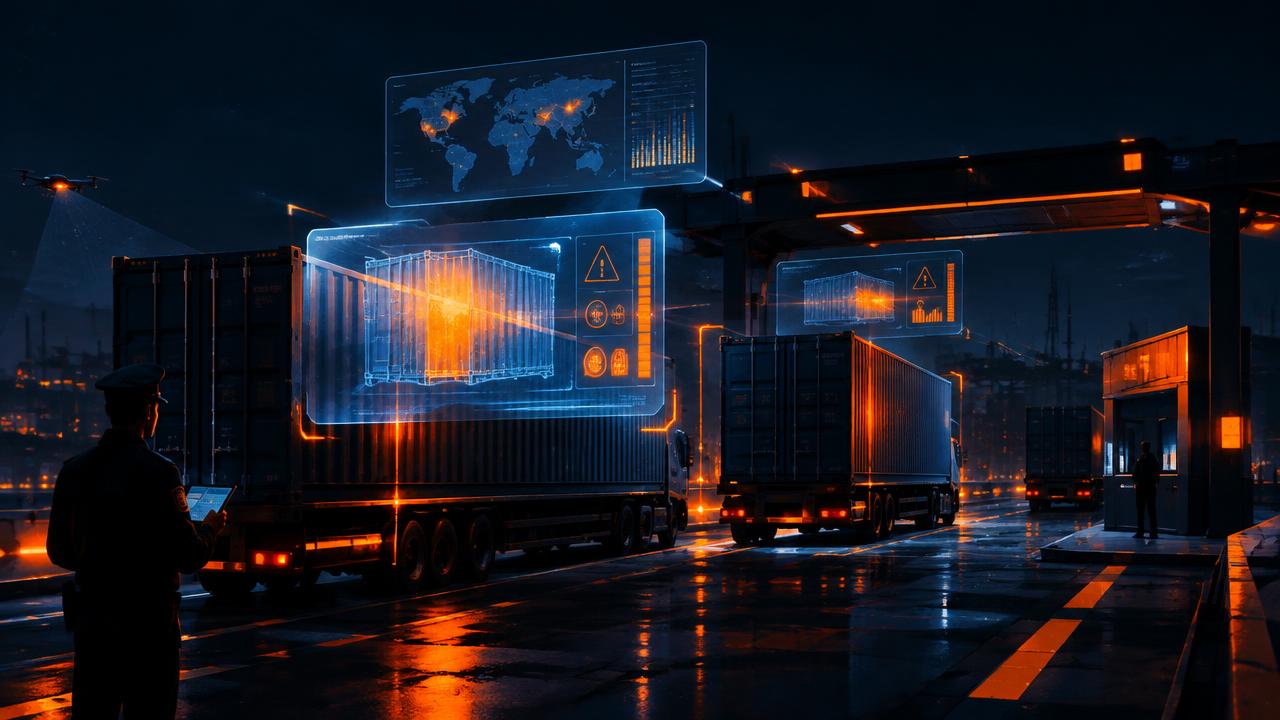
- The outcome: The system doesn’t just issue a generic warning. It provides a specific, quantifiable risk score—for example, a "75% probability of a 3-day delay at the Port of Long Beach for shipments arriving between Tuesday and Thursday." This level of granularity is transformative.
- The advantage: Armed with this forecast, a logistics manager can proactively reroute a critical shipment to a less congested port, even if the sea route is slightly longer. The system can calculate that a two-day detour to the Port of Oakland, with its 90% chance of immediate clearance, is far preferable to a potential five-day wait in Long Beach. This allows for proactive communication with customers and downstream partners, turning a potential crisis into a managed exception.
Intelligent Risk Assessment for Shipments
Customs agencies worldwide use risk-profiling systems to decide which shipments to inspect. For businesses, being flagged for inspection means guaranteed delays. Predictive analytics can effectively pre-screen shipments to minimize this risk.
- How it works: An internal predictive model can be built to mimic the logic of customs agencies, but with far more nuance. It analyzes the shipment's profile, including the shipper's history, the consignee's record, the commodity type, the country of origin, and the completeness of all associated documentation. It flags shipments that have a high probability of being targeted for inspection.
- The outcome: The system might flag a shipment because the declared weight seems inconsistent with the product description based on thousands of similar past shipments, or because the Harmonized System (HS) code used is frequently associated with misclassification errors.
- The advantage: This provides an opportunity to correct errors before the official submission. By ensuring all documentation is pristine and accurate for high-risk shipments, a company can significantly increase its chances of being routed to the "green lane" for immediate clearance. It helps both the business by reducing delays and the customs agency by allowing them to focus their limited resources on genuinely suspicious cargo.
Optimizing Documentation and Compliance
Documentation errors are a leading cause of customs delays. The complexity of HS codes, certificates of origin, and import licenses makes mistakes almost inevitable in a manual system.
- How it works: AI, specifically Natural Language Processing (NLP), can be a game-changer here. NLP models can read and understand trade documents, cross-referencing information between the commercial invoice, packing list, and bill of lading. They can automatically check for inconsistencies in quantities, values, and descriptions.
- The outcome: Before a document set is finalized, the system flags a potential issue: "The unit price on the invoice does not match the standard value range for this HS code," or "The consignee address is incomplete."
- The advantage: This automated proofreading catches costly human errors. More advanced systems can even predict upcoming changes in trade regulations by analyzing government publications and policy drafts, giving compliance teams a crucial head-start to prepare for new documentation requirements.
Building the Predictive Engine: Data, Models, and Integration
Implementing a predictive analytics solution is not a plug-and-play exercise. It requires a deliberate and strategic approach centered on three core pillars.
1. Data is the Fuel: The adage "garbage in, garbage out" has never been more true. A successful predictive model depends on access to high-quality, diverse data. This includes:
- Internal Data: Information from your ERP and Transportation Management System (TMS), such as shipment history, carrier performance, and product details.
- External Data: Real-time feeds from carriers, port authority APIs, weather services, satellite-based vessel tracking (AIS), and even news APIs that can flag geopolitical events or labor disputes.
2. Choosing the Right Models: The type of ML model used depends on the question being asked. Regression models are excellent for forecasting continuous values, like the number of days a delay will last. Classification models are used for categorical predictions, such as determining whether a shipment is high-risk or low-risk. The key for business leaders is not to become data scientists, but to partner with experts who can select and customize the right algorithmic tools for the job.
3. Integration is Key: A prediction is useless if it isn't actionable. The insights generated by the predictive engine must be seamlessly integrated into the workflows and systems that supply chain managers use every day. An alert about a probable port delay should automatically trigger a notification within the company's TMS, presenting alternative routes and their associated costs. The goal is to embed this intelligence directly into the decision-making process.
The Strategic Advantage: Moving Beyond Cost Savings
While the direct ROI from reduced demurrage fees and optimized routing is significant, the true value of predictive analytics in customs is strategic. It’s about fundamentally transforming the nature of your supply chain.
- Enhanced Resilience: This is the primary benefit. A predictive supply chain is not brittle; it is agile. It can absorb shocks and reconfigure itself in near real-time to maintain flow, turning a catastrophic disruption into a manageable deviation.
- Improved Customer Satisfaction: In an era of on-demand everything, delivery reliability is a powerful competitive differentiator. Being able to provide customers with accurate ETAs and proactively communicate potential changes builds immense trust and loyalty.
- Data-Driven Culture: Integrating predictive analytics shifts an organization's mindset from one based on historical anecdotes and "gut feelings" to one grounded in data and probability. This fosters a culture of continuous improvement and smarter, evidence-based decision-making across the board.
Navigating the Future of Trade
The landscape of global logistics will only grow more complex. Relying on the reactive strategies of the past is not just inefficient; it's an existential risk. Customs clearance, as a mandatory legal and logistical gateway, will always present a potential for friction. However, that friction no longer needs to be a surprise.
By leveraging AI and predictive analytics, organizations can shine a light on the path ahead. They can see the bottlenecks forming before they become critical, identify risks in their own processes, and make intelligent choices to keep goods moving. This isn't about replacing human expertise but augmenting it with powerful tools for foresight. For companies looking to thrive in the volatile world of modern trade, the question is no longer if they should adopt these technologies, but how they can integrate them to secure a more resilient and competitive future.