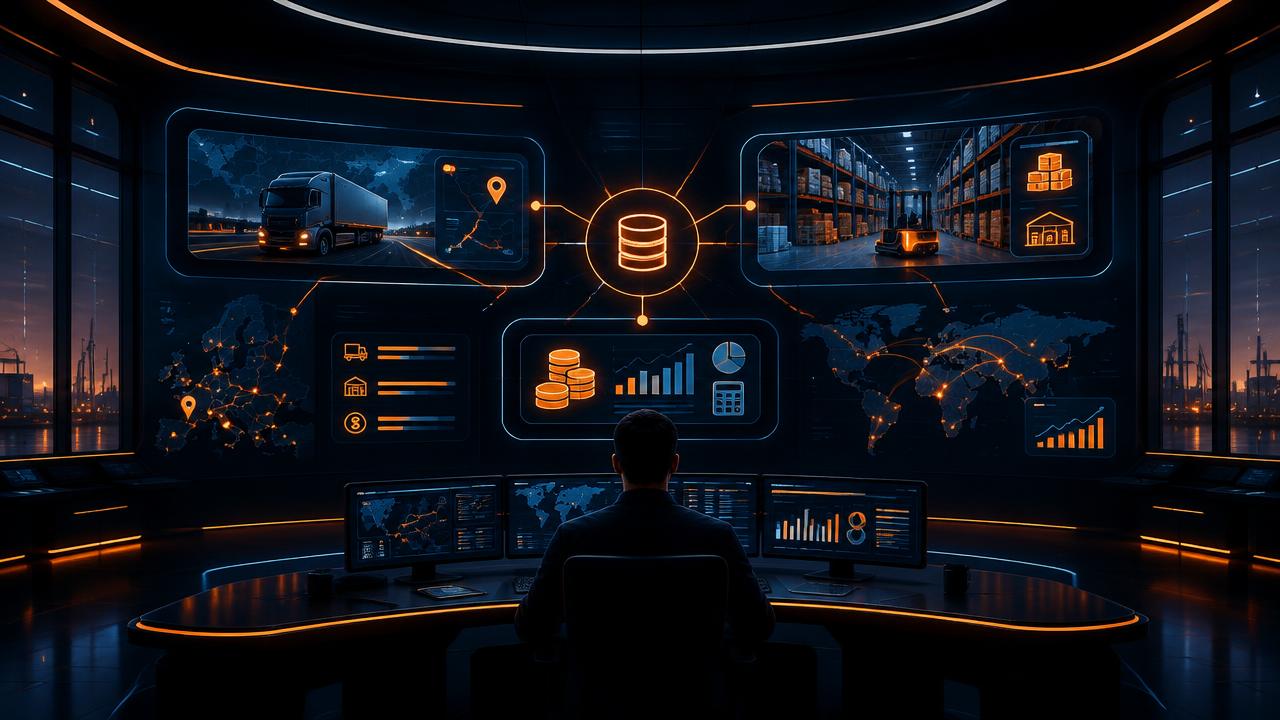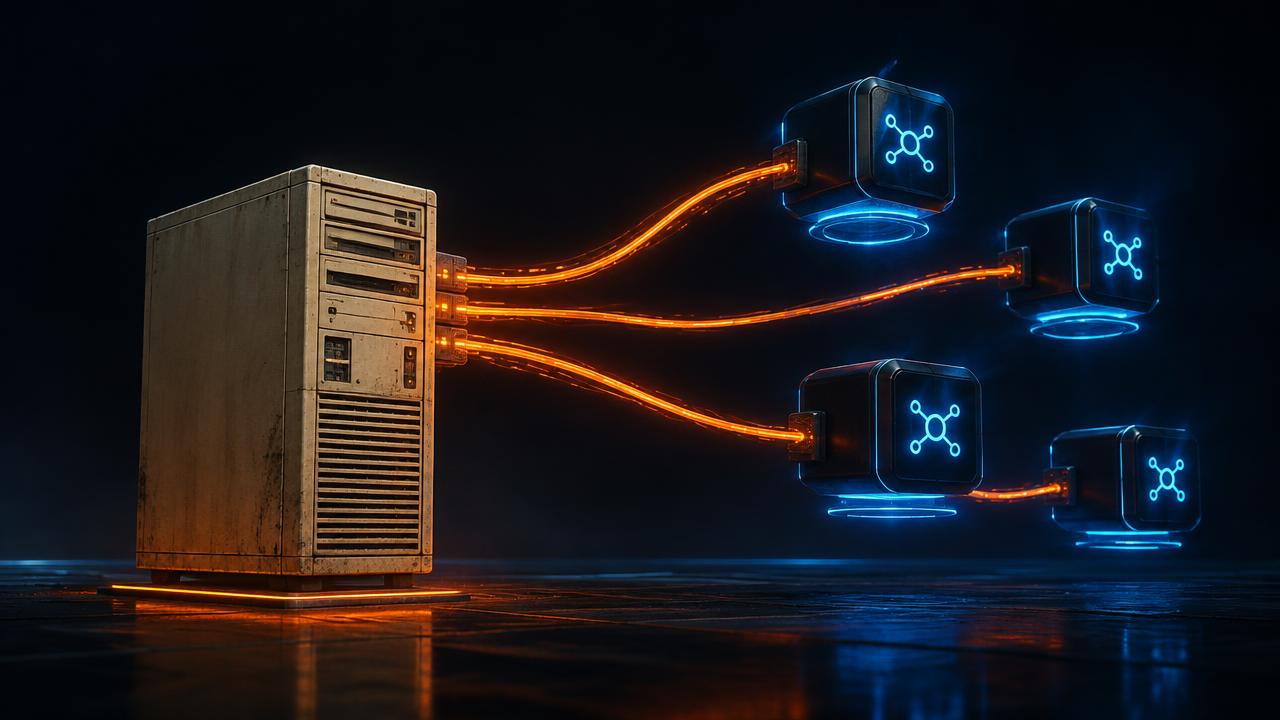
Many businesses run on systems that are ten or twenty years old. They work, the team knows them, and replacing them would be risky and expensive. The problem is that they do not talk to anything new. Integration lets you keep what works while unlocking modern tools around it.
Common integration patterns
- API wrapper. A modern service sits in front of the old system and exposes clean endpoints.
- Database sync. Changes are read from the legacy database and published to other systems.
- File and EDI exchange. Scheduled imports and exports, made reliable with validation and alerts.
- Event bus. Systems publish and subscribe to business events such as "order shipped".
Protect the system of record
Decide which system owns each piece of data. When two systems can both edit a customer or an order, conflicts follow. Clear ownership rules keep data consistent and make troubleshooting simple.
Build for failure
Connections will drop and files will arrive malformed. Good integrations retry safely, log every message, and alert a person when something needs attention, rather than failing silently.
An integration is only as good as what happens when it breaks.
Modernise in steps
Once the legacy system is wrapped, you can move functions out of it one at a time: a new customer portal, a mobile app for drivers, an AI assistant for documents. Each step delivers value, and the old system can be retired gradually or kept as a stable core.
Where to start
List the manual transfers between systems today and rank them by time and error risk. The top item is usually your first integration.