The fashion industry, long celebrated for its creativity and glamour, is facing a moment of reckoning. The relentless cycle of fast fashion has created a system notorious for its environmental footprint and complex, often opaque, supply chains. From water-intensive cotton farming to the landfill fate of last season's trends, the call for a more sustainable model has never been louder. Consumers, investors, and regulators are all demanding change.
But for a fashion brand, transitioning from a linear "take, make, waste" model to a circular and responsible one is a monumental task. Sustainability is not a marketing slogan you can simply stitch onto a label. It must be woven into the very fabric of the business, from the initial design concept to the final-mile delivery and beyond. This is where the operational backbone of the modern enterprise, the Enterprise Resource Planning (ERP) system, moves from the back office to the spotlight.
An ERP is no longer just a tool for managing finances and inventory. It has become the essential digital infrastructure for brands serious about building a truly sustainable future. It provides the single source of truth needed to turn sustainability goals into measurable, actionable, and reportable business processes.
The Colossal Challenge of a Green Supply Chain
Before we dive into the solution, it is crucial to appreciate the scale of the problem. A single garment has a long and winding life story before it ever reaches a customer's closet. Think about a simple cotton t-shirt. Its journey involves:
- Raw Material Cultivation: Farmers growing cotton, which may be organic, conventional, or part of the Better Cotton Initiative.
- Processing: Ginning, spinning, and weaving the cotton into fabric, often in different facilities or even different countries.
- Dyeing and Finishing: Using dyes and chemicals, a process with significant water and energy consumption.
- Manufacturing: Cutting and sewing the fabric into finished garments, involving factory labor.
- Logistics: Transporting materials and finished goods across a global network.
- Retail and Use: Selling the garment and its life with the consumer.
To make this chain sustainable, a brand needs to answer dozens of questions for every single product. Where did the cotton come from? Was it grown with sustainable farming practices? Are the dyes used certified non-toxic? Is the factory paying its workers a fair wage? How much water was used? What is the carbon footprint of its journey?
Without a unified system to track this data, answering these questions is nearly impossible. Information gets siloed in spreadsheets, emails, and disconnected departmental software. This lack of visibility makes true sustainability an aspiration, not an operation.
ERP as the Central Nervous System for Sustainability
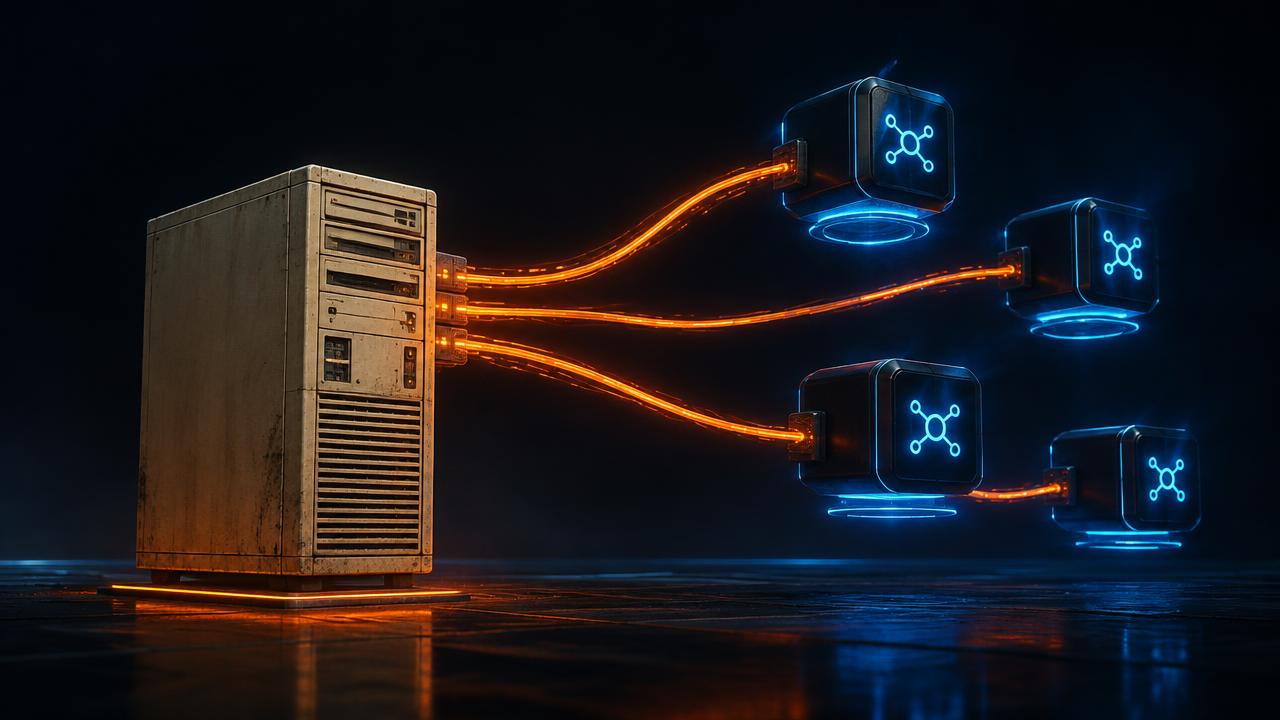
At its core, an ERP system integrates all the disparate functions of a business into one cohesive platform. It connects finance, manufacturing, supply chain management, human resources, and customer relationship management. This integration is the key. When it comes to sustainability, the ERP acts as the central nervous system, collecting, processing, and transmitting vital data to every part of the organization.
For fashion brands, this means moving beyond basic inventory counts. A modern, sustainability-focused ERP can track a wealth of new data points, transforming how products are designed, sourced, made, and sold. Let's explore the specific functionalities that make this possible.
Granular Material Traceability: From Fiber to Garment
One of the biggest demands from conscious consumers is transparency. They want to know the story behind their clothes. Vague claims of being "eco-friendly" are no longer enough. Brands must be able to back up their statements with hard data, and ERP is the tool that provides this proof.
A robust ERP system enables comprehensive traceability through:
- Batch and Lot Tracking: From the moment a bale of certified organic cotton arrives at a spinning mill, it can be assigned a unique lot number. The ERP tracks this lot as it becomes yarn, then fabric, and finally a batch of finished garments. This creates a digital thread that can be traced all the way back to the source.
- Documentation and Certification Management: Supplier certifications, such as GOTS (Global Organic Textile Standard), Fair Trade, or OEKO-TEX, can be attached directly to material master data within the ERP. The system can flag if a supplier's certification is about to expire, ensuring continuous compliance.
- Digital Product Passports: This data can be aggregated to create a "digital passport" for each product. A simple QR code on a garment's tag could lead a customer to a webpage detailing its entire journey, showing the farm where the linen was grown, the factory where it was sewn, and its total carbon footprint. This transforms traceability from an internal compliance exercise into a powerful brand-building story.
Optimizing for Waste Reduction: The Art of Less
The fashion industry is notoriously wasteful. From fabric offcuts on the factory floor to entire collections of deadstock that never sell, waste represents both an environmental and a financial drain. An ERP system attacks waste on multiple fronts by replacing guesswork with data-driven precision.
Here is how ERP helps minimize waste:
- Intelligent Demand Forecasting: By analyzing historical sales data, current trends, and even social media sentiment, advanced ERPs with AI capabilities can predict demand with far greater accuracy. This helps brands produce what they are likely to sell, drastically reducing the problem of overproduction and subsequent deadstock.
- Real-Time Inventory Management: An ERP provides a single, real-time view of inventory across all locations, from warehouses to retail stores. This visibility prevents the accumulation of unsold stock in one channel while another is running low. It allows for smart allocation and reduces the need for end-of-season fire sales that devalue the brand.
- Optimized Production Planning: During the cut-and-sew process, significant fabric waste can occur. ERP modules for production can integrate with design software to optimize pattern nesting on a bolt of fabric, maximizing material usage and minimizing offcuts. What little waste is produced can be tracked by the ERP, quantified, and potentially rerouted for recycling or upcycling into new products.
- Enabling Circularity: As brands embrace circular business models like rental, resale, and recycling, the ERP becomes critical. It can track a garment's lifecycle beyond the initial sale, managing returns, assessing items for repair or resale, and tracking materials destined for a recycling facility.
Ensuring Ethical Sourcing and Supplier Compliance
Sustainability is not just about the environment. it is also about people. The social aspect, ensuring fair labor practices and safe working conditions throughout the supply chain, is a crucial component of being a responsible brand. Reputational damage from a supplier scandal can be devastating.
An ERP's supplier relationship management (SRM) module is an essential tool for mitigating these risks.
- Centralized Supplier Audits: Brands can store and manage all supplier information, including contracts, codes of conduct, and third-party audit results, within the ERP. This creates a single, auditable record of a supplier's performance against ethical standards.
- Compliance Monitoring and Alerts: The system can be configured to monitor for risks. For example, it can automatically flag a supplier operating in a high-risk region for more frequent audits or send an alert when a required labor certification is nearing its expiration date.
- Performance Scorecards: Instead of judging suppliers on cost and lead time alone, brands can use the ERP to build holistic supplier scorecards. These can include metrics on worker well-being, water usage, and waste management. This allows procurement teams to make sourcing decisions that align with the company's sustainability values.
The Ripple Effect: Building Trust and Efficiency
Integrating sustainability into your operations via an ERP system does more than just tick a compliance box. It creates a powerful ripple effect that strengthens the entire business.
First, it builds an authentic and trustworthy brand. In an age of greenwashing, consumers are cynical. The data managed within an ERP provides the irrefutable proof needed for credible, transparent communication. Brands can stop saying they are sustainable and start showing it with data-backed stories that build deep and lasting customer loyalty.
Second, it drives significant operational and financial efficiencies. This is where sustainability and profitability intersect.
- Waste reduction is cost reduction. Using less fabric, water, and energy directly lowers production costs.
- Better inventory management means less capital tied up in unsold goods and fewer markdowns.
- Streamlined logistics, optimized by ERP data, lead to lower fuel consumption and shipping costs.
- Proactive compliance reduces the risk of costly fines, legal battles, and supply chain disruptions.
Ultimately, an ERP helps to dismantle the old myth that sustainability is purely a cost center. It proves that a well-executed sustainability strategy is simply good business.
The Future is Integrated and Responsible
The fashion industry has a long runway ahead on its journey to sustainability. The path is complex, but the direction is clear. The brands that will lead this new era will be those that embrace transparency, accountability, and circularity not as afterthoughts, but as core business principles.
Achieving this requires more than good intentions. It requires robust systems, clean data, and a holistic view of the entire value chain. The ERP system provides this digital foundation. It is the engine that powers the shift from opaque and wasteful practices to a transparent, efficient, and responsible model. For any fashion brand looking to thrive in the 21st century, investing in a modern ERP is not just an IT decision. it is a strategic investment in a greener, more ethical, and more profitable future.